
Understanding Casino Games: The Basics
To develop successful casino strategies, it’s essential to understand the various games available. Casinos offer a wide range of options, from table games like blackjack and poker to electronic machines like slot machines. Each game has its own set of rules, probabilities, and strategies that players must grasp to improve their chances of winning. For instance, blackjack requires not only luck but also skillful decision-making based on the cards dealt, which can significantly influence the outcome. Many enthusiasts enjoy visiting sweepstakes casinos for a unique gaming experience that combines both fun and potential rewards.
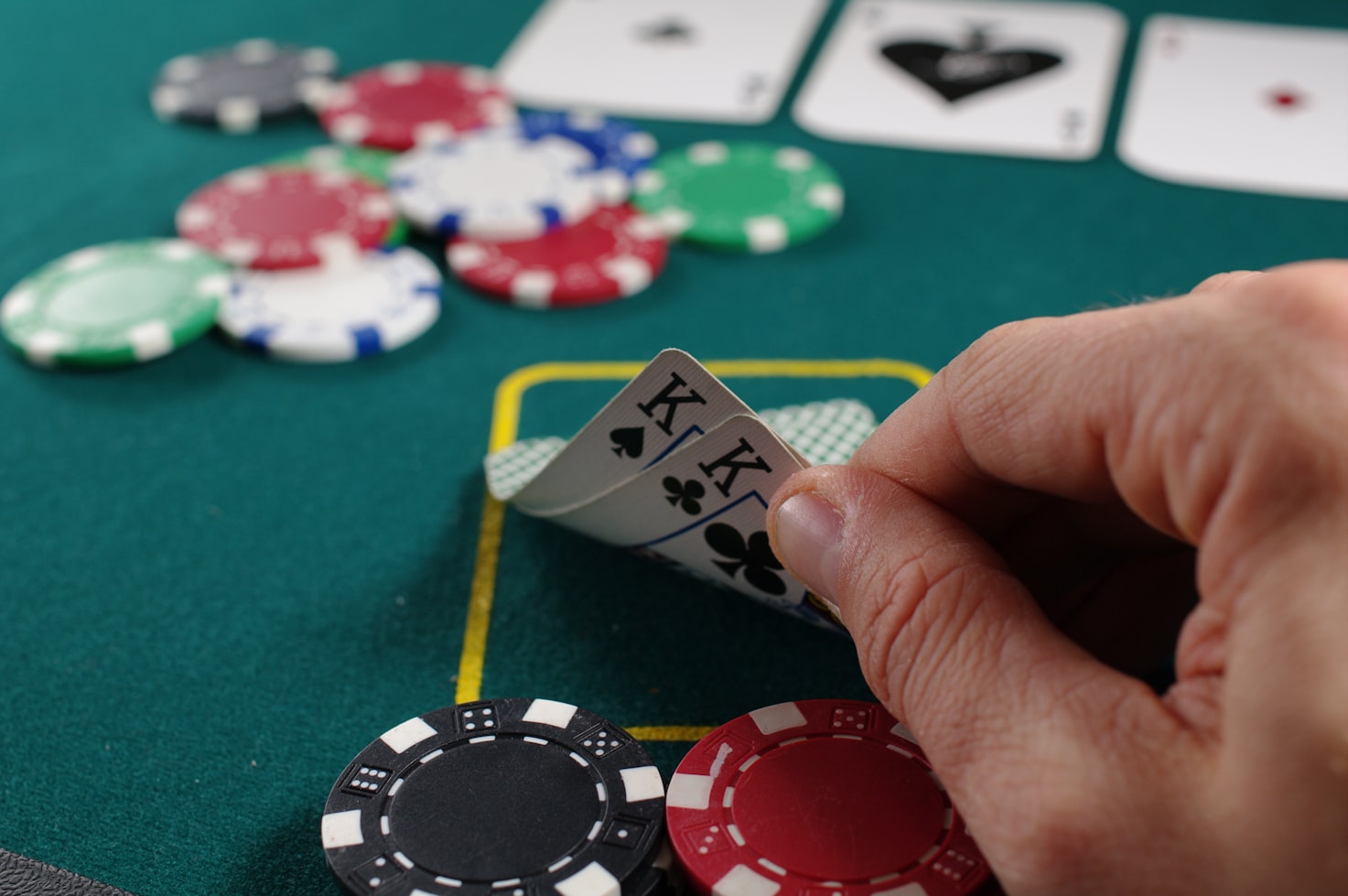
Additionally, every game in a casino has a « house edge, » which is the statistical advantage the casino holds over players. Knowing this edge can help you gauge which games offer better odds and inform your strategy. By choosing games with a lower house edge, players are more likely to maximize their returns over time, making informed decisions an indispensable part of any successful casino strategy.
Bankroll Management: The Key to Longevity
One of the most crucial aspects of successful casino strategies is effective bankroll management. Players must set a budget before they begin gambling and stick to it, regardless of wins or losses. This discipline prevents players from chasing losses and helps maintain a sustainable gambling practice. A commonly recommended approach is to allocate a specific portion of your total bankroll for each gaming session.
Moreover, understanding when to walk away is just as vital as knowing when to bet. Setting winning and losing limits for each session can help you enjoy the thrill of gambling without falling into risky behavior. By managing your bankroll wisely, you ensure that your gaming experience remains both enjoyable and financially responsible.
Developing Effective Betting Strategies
Betting strategies are fundamental to achieving success in a casino environment. Various strategies can be employed depending on the game being played. For example, in games like roulette, players often use the Martingale system, where they double their bet after a loss to recover their money. Although this can be effective in the short term, it also comes with risks and requires a significant bankroll.
On the other hand, in games like poker, players may benefit from more strategic approaches, such as tight-aggressive play, which focuses on playing fewer hands but betting aggressively when participating. Understanding the dynamics of each game and adopting the right betting strategy can significantly impact long-term success in a casino setting.
The Psychological Aspect of Gambling
The psychological component of gambling is often overlooked but plays a crucial role in a player’s success. Emotions such as excitement, fear, and frustration can influence decision-making and lead to poor betting choices. Staying level-headed and maintaining a clear mindset can help players stick to their strategies and make informed decisions as situations arise.
Additionally, recognizing when to take a break is important for maintaining a healthy gambling approach. Engaging in self-awareness and managing emotional responses to wins and losses can greatly enhance your overall experience and prevent potential gambling problems.

Utilizing Resources and Guidance
As players seek to unlock the secrets of successful casino strategies, many resources are available to enhance their understanding and skills. Expert articles, guides, and forums can provide valuable insights into strategies and offer advice from seasoned gamblers. These resources can help novices learn the ropes and provide advanced players with new tactics to refine their game.
For those looking for additional support, consulting a dedicated website that offers comprehensive resources and advice on casino strategies can be incredibly beneficial. It serves as a platform for players to access tips, share experiences, and find guidance that can elevate their gambling skills and overall enjoyment in the casino environment.